
Last Updated: October 25, 2026
Quick Summary
To layer clothes for comfort, build your outfit from thin, removable pieces: a base layer against your skin, a mid-layer for warmth, and an outer layer that blocks wind and rain. This lets you adjust warmth and airflow as your day shifts instead of trapping heat in one heavy sweater.
- Skip heavy cotton as a base on active days because it holds moisture and feels clammy.
- Keep bulk down with thin pieces, close-fitting mid-layers, and one warm layer instead of three thick ones.
- Dress for the middle of your day, not the coldest moment, and keep one layer you can add.
- A heated vest adds warmth through six heating zones and three settings, so you can skip the thick sweater.
- Start with two base layers, one mid-layer, and one outer layer, then grow your layering box slowly.
Table of Contents
- Why Layering Clothes Works for Comfort, Not Just Warmth
- Step 1: Start With a Comfortable Base Layer
- Step 2: Pick the Best Fabrics for Everyday Wear
- Step 3: How to Layer Clothes Without Bulk
- Step 4: How to Dress in Layers for Changing Weather
- Step 5: Try Everyday Outfit Layering Ideas That Actually Work
- Step 6: Common Layering Mistakes to Avoid
- Build Your Layering Box with Dawterson
- Frequently Asked Questions
Why Layering Clothes Works for Comfort, Not Just Warmth
Learning how to layer clothes for comfort changes the way you get dressed every morning.
Here is the part most guides skip: layering is really about moisture and movement. Your body heats up on a brisk walk to the car, then cools down the moment you sit still.
That is the whole idea. Warmth is a side effect. Comfort is the goal.
The Three-Layer System: Base, Mid, and Outer
The three-layer system is a simple framework: a base layer sits against your skin, a mid-layer traps warmth, and an outer layer blocks wind and rain.
- Base layer: The thin layer closest to your skin. It moves sweat away so you stay dry.
- Mid-layer: The insulating layer. A sweater, fleece, or light vest that holds warmth.
- Outer layer: The shield. A jacket or coat that blocks wind and light precipitation.
The National Weather Service cold safety guidance makes a similar point: dressing in layers you can remove is one of the simplest ways to stay comfortable when conditions shift. You do not need all three every day.
Step 1: Start With a Comfortable Base Layer
The best base layer is thin, soft, and dry against your skin. This is the layer you feel all day, so comfort here matters more than anywhere else. Skip heavy cotton for active days, since it holds moisture and feels clammy once you sweat.
A few base layer rules we swear by:
- Choose a close but not tight fit, so it stays smooth under your clothes.
- Pick a soft fabric that does not itch or bunch at the seams.
- Keep it thin, so it disappears under your mid-layer.
- Have two or three in rotation, so one is always clean and dry.
For women, a soft turtleneck or a smooth bodysuit makes a great base. For men, a plain T-shirt or a light long-sleeve does the job. The point is a clean, comfortable start.
Step 2: Pick the Best Fabrics for Everyday Wear
The best fabrics for everyday wear balance breathability, softness, and easy care. You want materials that move moisture, feel good against skin, and hold up to regular washing.
Here is how the main fabrics compare in real use:
| Fabric | Best For | Feel Against Skin | How It Handles Sweat | Care Reality |
|---|---|---|---|---|
| Merino wool | Base and mid layers | Soft, not itchy when fine-gauge | Absorbs vapor, resists odor | Gentle wash, lay flat to dry |
| Fleece (polyester) | Mid-layer warmth | Cozy and light | Moves moisture but can feel damp | Machine wash, pills with friction |
| Synthetic blends | Active base layers | Smooth, quick-drying | Wicks fast, dries fast | Easy care, can hold odor over time |
| Cotton | Light, casual days | Soft and familiar | Holds sweat, dries slowly | Easy care, shrinks and stretches |
| Down | Outer insulation | Light for the warmth | Traps heat, loses loft when wet | Needs dry conditions and careful washing |
A few practical rules we have learned to share with shoppers:
- Put the smoothest fabric closest to skin. Seams, tags, and rough textures are what make a layer feel uncomfortable by mid-afternoon, not the warmth itself. A fine-gauge merino or a smooth synthetic blend sits quietly under everything.
- Match the fabric to your sweat level. If you walk to the train or chase kids around, a wicking synthetic or merino base keeps you drier than cotton. If you are mostly sitting, cotton is fine and feels familiar.
- Think about washing before you buy. Fleece pills where a bag strap rubs. Merino needs a gentler cycle. Synthetics dry fast but can pick up odor, so look for pieces you can air out between wears.
- Do not judge a fabric by one wear. Most fabrics feel good in the store. The real test is how a layer feels after a wash, a long sit, and a walk in the wind.
If you want a deeper look at which materials feel best all day, our guide on the best materials for comfortable everyday clothing breaks it down. And if you are judging quality before you buy, these simple checks for identifying quality clothing fabrics help you spot pieces that last.
A common mistake is buying one expensive base layer and skimping on the rest. In practice, a few good mid-priced pieces you actually wear beat one fancy item that stays in the drawer.
Step 3: How to Layer Clothes Without Bulk
The trick to layering without bulk is thin pieces, smooth fits, and one warm layer instead of three thick ones. Bulk comes from stacking heavy fabrics, not from layering itself. Choose slim base layers and a simplified mid-layer, and you will look and feel neat.
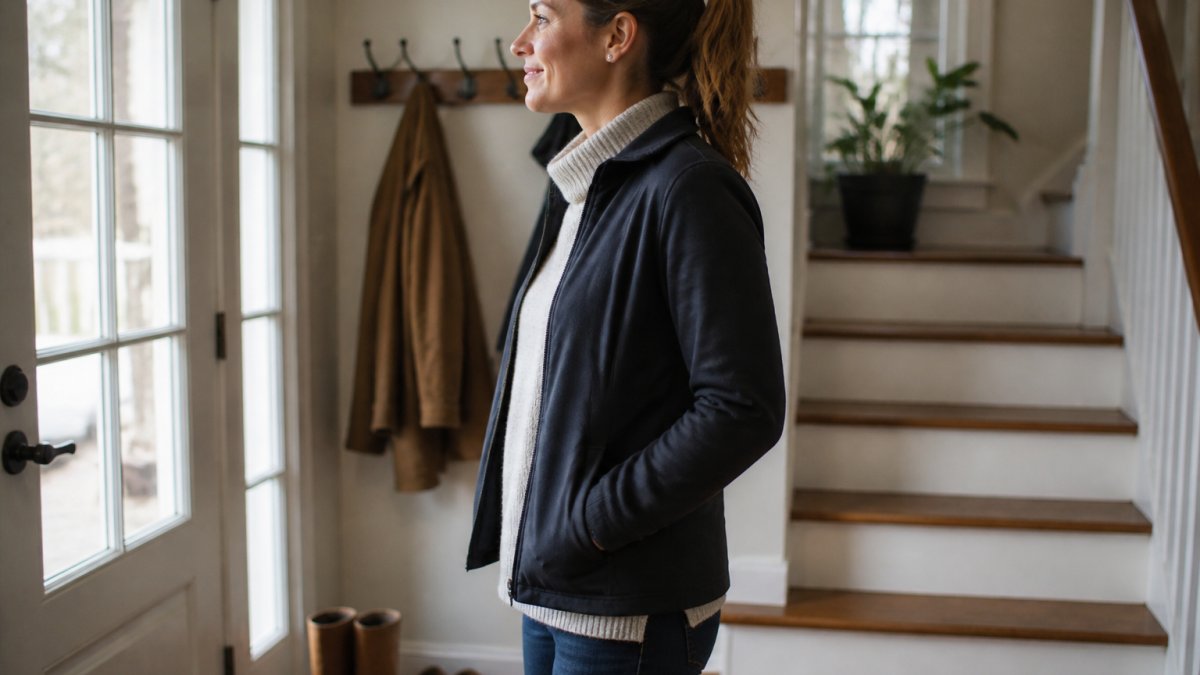
Try these habits to keep your silhouette clean:
- Wear the thinnest layer closest to your skin.
- Pick mid-layers that fit close to the body, not boxy ones.
- Choose a jacket with a little room, so it slides over layers.
- Swap a bulky sweater for a light vest when you need warmth without width.
Heated layers are a smart shortcut here. The Women's 6-Zone Rechargeable Heated Vest adds real warmth through six heating zones and three settings, so you can skip the thick sweater underneath. That means fewer layers and more comfort.

Step 4: How to Dress in Layers for Changing Weather
Dressing for changing weather means planning for the warmest and coolest points of your day, not just the moment you leave the house. Most guides stop at the forecast.
Men’s ArcticGuard Fleece-Lined Utility Jacket & Cargo Pant Set →
Start with a simple plan:
- Check the high and low for the day, plus the wind.
- Start with a base layer suited to the warmer hours.
- Add a mid-layer for the cool morning and evening.
- Carry a packable outer layer for wind or rain.
Then think about the transitions, not just the temperatures:
- Commuting and heated buildings. Dress for the coolest part of your trip, then remove the mid-layer the moment you are indoors. A light, packable mid-layer you can fold into a bag beats a heavy sweater you are stuck wearing at your desk.
- Standing still versus moving. Waiting for a bus is colder than walking to it. If you will be still, add a layer you can shed once you start moving. If you will be active, start one layer lighter than feels comfortable and let your body warm up.
- Cars and errands. A warm car makes a heavy coat miserable. Keep the outer layer light and easy to remove, and let the base and mid do the work.
- Spring and fall swing days. Mornings in the 40s and afternoons in the 60s are the classic layering test. A light base, a thin mid, and a packable shell handle that range better than one medium jacket.
For cold, shifting days, a heated layer takes the guesswork out of it. The Women's 6-Zone Rechargeable Heated Vest lets you dial warmth up or down as the temperature moves, without adding or removing pieces.
Watch out: do not dress for the coldest moment of the day and then sit indoors in all of it. You will overheat fast. Dress for the middle and keep one layer to add.
Step 5: Try Everyday Outfit Layering Ideas That Actually Work
Good everyday outfit layering ideas start with pieces you already own and a formula you can repeat. You do not need a new wardrobe.
Try these formulas:
- Casual day: Soft T-shirt, light sweater, and a shacket over the top.
- Cold commute: Turtleneck base, fleece mid-layer, and a warm coat.
- Weekend outdoors: Base layer, heated vest, and a wind-resistant jacket.
- Rainy errand day: Smooth base, light sweater, and a water-resistant outer layer.
If you want a ready-made layered set, the Men's ArcticGuard Fleece-Lined Utility Jacket & Cargo Pant Set pairs a warm, fleece-lined jacket with matching cargo pants.

For feet, warm socks finish the job. The Cozy Merino Wool Hiking Socks 5 Pair Set keeps toes warm in boots, which matters more than people think on a cold day.

Step 6: Common Layering Mistakes to Avoid
Most layering problems come down to a handful of fixable mistakes. Fix these and your outfits get more comfortable right away.
- Wearing cotton as a base on active days. It holds sweat and feels cold when damp. Choose a wicking fabric instead.
- Stacking thick layers. Three heavy sweaters feel bulky and trap too much heat. Use thin layers instead.
- Skipping the outer layer. Wind cuts through warm layers fast. A light shell makes a big difference.
- Ignoring fit. Tight layers bunch and restrict movement. Loose layers let cold air in. Aim for a close, easy fit.
- Dressing for one temperature. Build for the whole day, not just the morning.
A common mistake is treating layering as a winter-only skill. It works in spring and fall too, when mornings are cold and afternoons are mild. A light base and a packable outer layer handle those swing days better than one medium jacket.
Build Your Layering Box with Dawterson
Building a small, flexible set of layers takes the stress out of getting dressed. Start with two good base layers, one mid-layer, and one outer layer you can add or remove.
Dawterson has been curating everyday finds since 2017, with a simple goal: products that make people smile.
Ready to round out your wardrobe? Our capsule guide to the best everyday essentials for women shows how a few smart pieces build a full rotation of layered outfits.
Frequently Asked Questions
What should you wear as a base layer for everyday comfort?
Start with a soft, breathable base layer that sits close to your skin without feeling tight. Cotton works for mild days, while merino wool or a polyester blend handles sweat better when you are active. Avoid thick seams and scratchy tags, since those cause most complaints about layering discomfort. A well-fitting T-shirt or lightweight turtleneck is a solid everyday choice.
How do you layer clothes without feeling bulky?
Choose thin, close-fitting layers instead of thick, loose ones. A lightweight base layer, a fine-knit sweater, and a streamlined jacket give you warmth without extra volume. Skip heavy fleece under a puffy coat, and look for fabrics that trap heat without adding thickness. Fit matters too: if a layer feels tight across the shoulders, size up so you can move freely.
How many layers should you wear in changing temperatures?
For most everyday situations, two to three layers is enough. Wear a base layer plus a mid-layer for cool mornings, then add a packable outer layer you can remove when temperatures rise. In mild weather, a T-shirt and a light shacket or overshirt often do the job. The goal is to add or remove layers easily rather than dressing for one fixed temperature.
Which fabrics are most comfortable for layering?
Merino wool, cotton, fleece, and soft synthetic blends are the most comfortable for layering. Merino regulates temperature and resists odor, cotton feels soft in mild weather, and fleece adds warmth without weight. For sensitive skin, choose smooth, tag-free fabrics and avoid rough wool directly against the body. Breathable fabrics help manage sweat so you stay dry and comfortable.
Your next cold morning does not have to mean a choice between shivering and sweating. Dawterson makes layering simple with heated vests that adjust to the day, fleece-lined sets built for real cold, and warm merino socks that keep the small details comfortable. Get started with Dawterson and build a wardrobe that keeps you comfortable from the first chill to the last.
