
Table of Contents
- Start With How You'll Actually Wear It
- How to Choose Workout Clothes That Work All Day
- Your Activewear Fabric Guide: Breathability, Stretch, and Sweat
- An Activewear Fit Guide for Real Bodies and Real Days
- Tops, Bottoms, and Bras: Matching Support to Impact
- How to Care for Activewear So It Lasts
- A Practical Buying and Testing Checklist
- Conclusion
- Frequently Asked Questions
Last Updated: October 18, 2026
Start With How You'll Actually Wear It
Choosing comfortable everyday active wear starts with one honest question: where will these clothes spend their hours? Most of us aren't going straight from bed to a spin bike.
That's why the first step isn't picking a color or a brand. It's mapping your real week.
The 5 questions we cover below help you match fabric, fit, and support to that reality.
How to Choose Workout Clothes That Work All Day
Learning how to choose workout clothes for all-day wear means prioritizing comfort over performance specs you'll never notice. A garment that feels great for a 45-minute gym workout can turn miserable by hour six if the seams are rough or the waistband won't stay put.
Here's the order we'd shop in:
- Start with the waistband. A wide, flat band distributes pressure better than a thin elastic one.
- Check the seams. Flatlock stitching lies smooth against skin; raised seams create friction points on long days.
- Test the stretch. Bend, squat, and reach before you commit.
- Feel the inside label. Tagless designs prevent scratching at the neck and waist.
- Think about pockets. A phone pocket you can actually reach changes how a garment functions outside the gym.
The common mistake is buying for the workout you do twice a week and ignoring the body you live in the other five days.
Your Activewear Fabric Guide: Breathability, Stretch, and Sweat
An activewear fabric guide comes down to two families: natural fibers and synthetics, each with real trade-offs. Breathable fabric lets heat and moisture escape, while moisture-wicking fabric moves sweat away from your skin so it can dry. Most comfortable everyday active wear blends both approaches, and the blend matters more than the label on the tag.
Natural vs. Synthetic: What Each One Does Well
Natural fibers like cotton feel soft and breathe well, which makes them lovely for low-sweat days and lounging.
Synthetic fibers like polyester and spandex dry quickly and stretch reliably. Spandex is what gives leggings their snap-back recovery.
What most guides miss is that the blend and the knit structure matter more than the fiber name. A polyester-spandex mix with a mesh panel gives you stretch plus airflow.
Reading a Fabric Label Like a Shopper, Not a Chemist
You don't need a textile degree to compare two pairs of pants. A few practical cues do most of the work:
- Stretch percentage: Look for roughly 15-25% spandex for leggings that recover well. Below that, expect sagging at the knees and seat by afternoon.
- Fabric weight: Lighter knits (often listed in grams per square meter, or GSM) breathe better for hot days; heavier knits hold shape and hide seams but run warmer.
- Knit vs. woven: Knits stretch in every direction and move with you; wovens hold structure but need a stretch component to feel comfortable on the move.
- Mesh and ventilation panels: Useful in hot, humid conditions, but check that the mesh sits where you actually sweat rather than in decorative spots.
The Sustainability Trade-Off
There's no perfect fiber. Cotton uses land and water but biodegrades. Conventional polyester is petroleum-based and sheds microfibers in the wash, while recycled polyester reduces virgin plastic use but behaves much like its conventional cousin. The practical takeaway for everyday shoppers is to buy fewer, better pieces you'll actually wear, wash them less often, and use a microfiber-catching laundry bag if you want to reduce shedding. Durability is itself a sustainability choice.
An Activewear Fit Guide for Real Bodies and Real Days
An activewear fit guide should start with movement, not numbers on a tag. Good fit means you can raise your arms overhead, sit cross-legged, and bend to tie a shoe without tugging anything back into place.
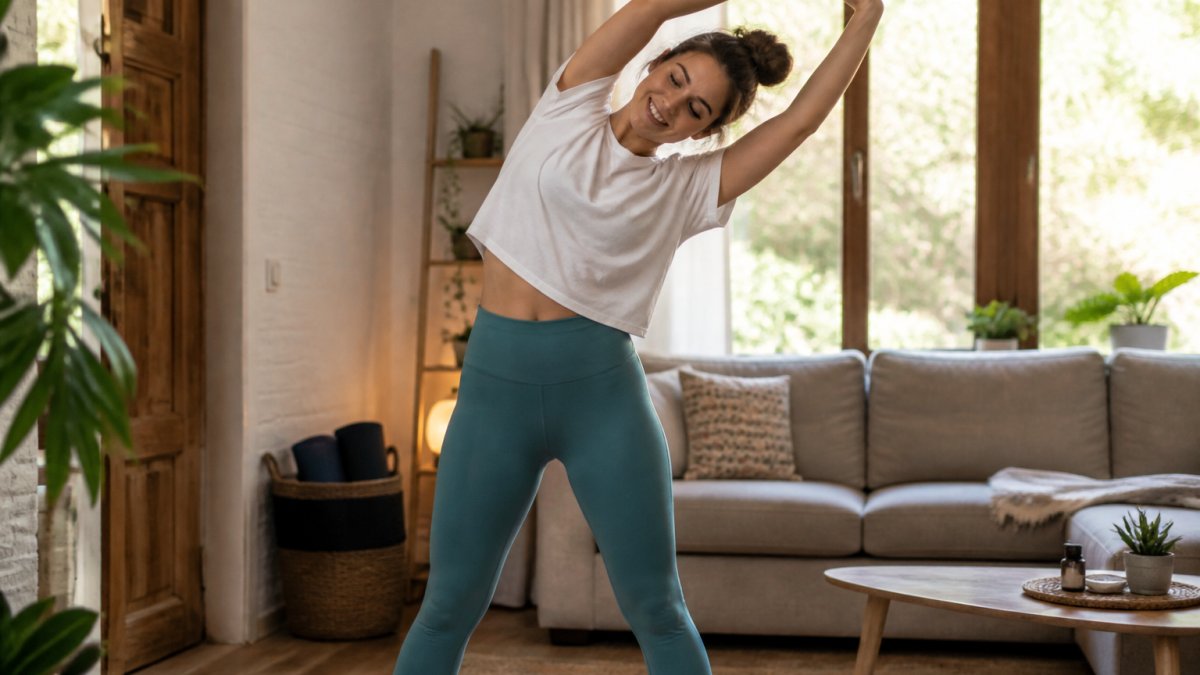
Look for a full range of motion in the shoulders and hips, and check that leggings stay opaque when you squat.
Fit Across Body Shapes
Most fit advice assumes one body. Here's how to think about common shapes and what tends to work:
- Curvier hips and thighs: Look for a contoured or curved waistband, a higher rise, and four-way stretch. Side seams that curve forward flatter and reduce pulling.
- Straight or athletic builds: A drawcord waist or adjustable band helps prevent gaping; tapered legs and shorter inseams often fit better than long, loose cuts.
- Longer torsos: A high-rise legging plus a slightly longer top avoids the midriff gap when you reach overhead.
- Shorter torsos: Mid-rise styles and cropped tops keep proportions balanced and reduce bunching at the waist.
Inclusive Sizing and Fit Troubleshooting
Size ranges have widened in recent years, but fit still varies by brand. Practical steps:
- Check the size chart against your measurements, not your usual size. Waist, hip, and inseam matter more than the letter on the label.
- Read the stretch and rise specs. A high-rise legging in a size up may fit better than a mid-rise in your usual size.
- Look for adjustable features: drawcords, hook-and-eye bands, and convertible straps extend the range a garment can fit.
Common fit problems and fixes:
Women’s Yoga Top and Pants Set →
- Waistband rolls down: size up or choose a wider, higher band with a contoured shape.
- Legs ride up: look for a longer inseam, a grippier hem, or a silicone band at the leg opening.
- Shoulders pull: try a looser cut, raglan sleeves, or a stretchier knit.
- See-through in bright light: choose a thicker fabric, a darker color, or a squat test in good lighting before buying.
If you're between sizes, sizing up usually beats squeezing in. Comfort should never require constant adjustment.
All-Day Transitions
The real test of everyday active wear is the transition: errands in the morning, a desk or school pickup in the afternoon, a walk or workout in the evening. Pieces that layer well, a relaxed top over a supportive bra, a lightweight jacket that packs down, pants with a secure pocket, let you move between activities without changing. Choose fabrics that dry quickly so a little sweat doesn't leave you damp for hours, and favor dark or patterned bottoms if you'll be sitting on varied surfaces.
Tops, Bottoms, and Bras: Matching Support to Impact
Matching support to impact level is the difference between loving a sports bra and dreading it. Low-impact activities like walking or yoga need light support and softness.
For tops, a tank top or sleeveless pullover keeps you cool, while an oversized shirt or track jacket adds easy layering for cooler mornings. For bottoms, leggings and workout pants suit training and casual days alike, while shorts win in heat.
How to Care for Activewear So It Lasts
Knowing how to care for activewear protects both stretch and softness. Wash synthetics in cold water on a gentle cycle, skip the fabric softener (it coats fibers and reduces wicking), and air dry when you can.
Turn garments inside out to reduce pilling, and wash them with similar fabrics to limit abrasion. Avoid bleach and harsh detergents. A little care stretches durability considerably, which matters if you're building a wardrobe you actually wear.
| Care Step | What to Do | Why It Matters |
|---|---|---|
| Washing | Cold, gentle cycle | Preserves stretch and color |
| Detergent | Mild, no softener | Keeps wicking performance |
| Drying | Air dry or low heat | Protects spandex elasticity |
| Storage | Fold, don't hang heavy knits | Prevents stretching out |
A Practical Buying and Testing Checklist
Use this checklist before you commit to any piece of everyday active wear:
- I can squat, reach, and sit without adjusting the garment
- The waistband stays flat through a full day of wear
- Seams feel smooth against my skin
- The fabric dries reasonably fast after light sweat
- I checked the supplier size chart against a garment I own
Our High-Waisted Pocket Yoga Pants (https://dawterson.com/products/womens-high-waisted-pocketed-yoga-pants) check several of these boxes at once, with a secure high waist, moderate stretch, and practical pockets for errands and walks. If you prefer a coordinated look, our Women's Yoga Top and Pants Set (https://dawterson.com/products/womens-yoga-top-and-pants-set) makes getting dressed simple, and our AeroStep breathable sports socks (https://dawterson.com/products/aerostep-unisex-mesh-breathable-sports-socks-5-pack) help keep feet cool and comfortable on longer days.


Conclusion
The right everyday active wear should disappear into your day, not demand attention. Start with how you actually live, choose fabrics and fits that match, and care for them so they keep their shape.
At Dawterson, we've curated comfortable, practical pieces since 2017 with a simple philosophy: everyday products that make people smile. Explore our fitness collection, and remember our 30-day no-hassle returns and free shipping on orders $50+.
Frequently Asked Questions
How do you choose comfortable activewear for everyday wear?
Start with the fabric and the fit, not the label. Look for breathable fabric with some stretch, like a nylon or polyester blend, and check the size chart against a garment you already own. Choose a rise and length you can sit, walk, and bend in for hours. A pullover top and matching pants set, like our Women's Yoga Top and Pants Set, makes the choice simple because the pieces are already designed to work together.
What fabrics are best for everyday activewear?
Synthetic blends such as polyester, nylon, and spandex are the most common choices for everyday active wear because they stretch, dry quickly, and hold their shape through repeated washing. Cotton feels soft but holds moisture, so it works better for low-sweat days. A fabric guide rule of thumb: pick moisture-wicking synthetics for movement and heat, and save natural fibers for rest days and layering.
How should activewear fit for all-day comfort?
It should feel secure without digging in. Waistbands should sit flat when you sit down, shoulder seams should stay on your shoulders, and you should be able to raise your arms and squat without the fabric pulling. If you are between sizes, many supplier charts run small, so size up. Our High-Waisted Pocket Yoga Pants use moderate stretch and a relaxed fit for exactly this kind of all-day wear.
Can you wear workout clothes as everyday outfits?
Yes, and plenty of people do. The trick is choosing pieces that look intentional rather than gym-only. Solid colors, clean seams, and a matching set read as everyday wear, while loud logos and sheer fabrics read as workout-only. Add a track jacket or an oversized shirt and you have an outfit for errands, school pickup, or a casual lunch.
How do you build a versatile activewear wardrobe?
Buy a small number of pieces that mix together. Two pairs of pants in neutral colors, two or three tops, one supportive sports bra, and a light layer cover most days. Choose solid colors so everything matches, and check cost per wear rather than the sticker price. Our Solid-Color High-Waisted Yoga Pants come in eight colors, which makes building a mix-and-match rotation easy.
How do you care for activewear so it lasts?
Wash in cold or warm water on a gentle cycle, turn pieces inside out, and skip the fabric softener because it coats moisture-wicking fibers. Air dry when you can, or tumble dry low. Our AeroStep socks, for example, are machine washable in a laundry bag and air dry or tumble dry low. Following the care label is the single biggest factor in how long stretch fabrics keep their shape.