
Table of Contents
- Why Ethical Fashion Basics Are Easier to Start Than You Think
- The 7 Best Ethical Fashion Basics for Beginners
- How to Build an Ethical Wardrobe Without Starting Over
- How to Shop for Ethical Clothing: A Beginner's Checklist
- How to Find Ethical Clothing Brands for Basics You'll Actually Wear
- Common Mistakes Beginners Make With Ethical Fashion
- Conclusion: Start With One Piece, Not a Whole New Wardrobe
- Frequently Asked Questions
Last Updated: October 12, 2026
Why Ethical Fashion Basics Are Easier to Start Than You Think
Building an ethical wardrobe sounds expensive and complicated. It isn't. The trick is starting with a handful of everyday pieces you'll wear again and again, not a whole new closet.
This guide from Dawterson walks you through the seven starter pieces worth owning first. We'll also show you how to check a brand's claims, what things really cost over time, and how to build slowly without tossing everything you already own.
Here's the good news. You don't need to be a sustainability expert or spend a fortune. You need a short list, a little patience, and a plan for wearing what you buy.
The 7 Best Ethical Fashion Basics for Beginners
These seven pieces cover most of what a beginner actually needs. Each one layers with the others, so a small closet still gives you plenty of outfits. For each piece below, we've included what to look for, the material trade-offs worth knowing, and simple care habits that stretch how long it lasts.
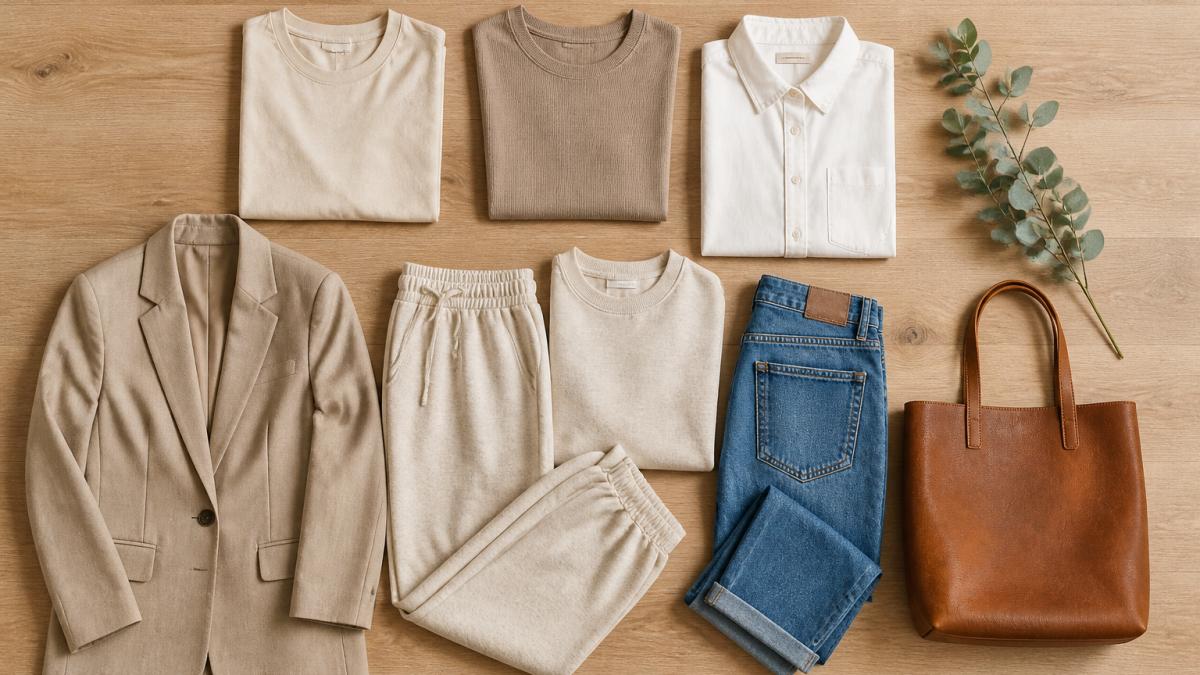
One quick idea before the list: cost per wear. Divide what you paid by the number of times you realistically expect to wear a piece.
1. A Neutral T-Shirt You'll Actually Rewear
A plain tee in white, black, gray, or navy is the hardest-working piece you own. Look for organic cotton or a cotton-linen blend, a weight that isn't see-through, and a neckline that holds its shape after washing. Skip anything so thin it pills in a month.
Material trade-off: Organic cotton is soft, breathable, and easy to wash, but it can shrink slightly and wrinkle. A cotton-linen blend resists wrinkling better and feels cooler in summer, though it has less stretch. Care: Wash cold, inside out, and lay flat or tumble low to protect the neckline.
2. A Long-Sleeve Top for Layering
A long-sleeve top earns its place under blazers, over tees, and on its own in fall. Pick a fabric with a little stretch so it moves with you. Neutral colors here mean it works with everything else in your closet.
Material trade-off: A cotton-modal or cotton-elastane blend keeps its shape and layers smoothly, but synthetic stretch fibers can pill over time. Care: Turn it inside out before washing to reduce pilling, and skip the dryer when you can.
3. A White Shirt That Works for Work and Weekends
A well-fitting white shirt goes from meetings to dinner without a change. Check the seams, the buttons, and the collar. A slightly relaxed fit reads more modern than a stiff, boxy cut.
Material trade-off: Cotton poplin looks crisp but wrinkles; a cotton-Tencel blend drapes softer and creases less. Care: Wash whites separately, treat collars and cuffs before washing, and hang to dry to keep the shape.
4. Well-Fitting Jeans Built to Last
Jeans take the most wear, so durability matters most here. Look for sturdy stitching, real metal hardware, and a fabric blend that won't stretch out by lunchtime. A straight or slightly tapered cut stays in style longer than trends do.
Material trade-off: A high-cotton blend with a small amount of stretch holds its shape and lasts longer than a stretch-heavy pair that sags. Care: Wash jeans less often than you think, spot-clean between wears, wash cold, and hang to dry.
5. A Versatile Blazer or Light Layer
A simple blazer instantly makes a tee and jeans look intentional. Choose a fabric you can wear in more than one season and a cut that lets you move your arms. This is your easiest upgrade for repeat outfits.
Material trade-off: A wool blend holds structure and breathes well; a cotton or linen blend is lighter but creases more. Care: Brush it after wearing and air it out between wears to cut down on dry cleaning.
6. Comfortable Loungewear You'd Wear Outside
Good loungewear shouldn't look like pajamas. Soft, breathable fabric in a neutral tone means you can wear it on a coffee run without a second thought. This is the piece busy families reach for most.
Material trade-off: Cotton fleece is cozy but heavier; a cotton-modal blend is lighter and dries faster. Care: Wash with like colors and avoid high heat so the fabric stays soft.
7. One Investment Piece: A Coat, Bag, or Boots
Pick one item to spend a little more on: a coat, a bag, or a pair of boots. These get used daily for years, so quality pays off. One good piece beats five cheap ones that fall apart.
Material trade-off: For a coat, wool blends insulate and last; for boots, full-grain leather resists wear better than bonded leather. Care: Store boots with a shoe tree, and have a coat cleaned at the end of the season before storing.
| Basic | Why It Matters | What to Check | Care Habit |
|---|---|---|---|
| Neutral t-shirt | Wears with everything | Fabric weight, neckline | Wash cold, inside out |
| Long-sleeve top | Layers year-round | Stretch, color | Skip the dryer |
| White shirt | Work to weekend | Seams, fit | Hang to dry |
| Jeans | Daily wear | Stitching, hardware | Wash less, hang dry |
| Blazer | Instant polish | Fabric, arm movement | Air between wears |
| Loungewear | Comfort plus style | Breathability | Avoid high heat |
| Investment piece | Years of use | Build quality | Store with care |
How to Build an Ethical Wardrobe Without Starting Over
You don't need to throw anything out. Start by wearing what you own and noting the gaps. Most people find they're missing basics, not statement pieces.
Then add one new item at a time. A common approach is to buy one piece a month and wear it for a few weeks before buying the next. This keeps your budget steady and stops impulse purchases.
“Shop Dawterson”, “Explore the Collection” →
Here's a simple order to follow:
- Start with the tee and jeans you'll wear weekly
- Add the long-sleeve top and white shirt next
- Save the blazer and investment piece for last
How to Shop for Ethical Clothing: A Beginner's Checklist
Learning how to shop for ethical clothing comes down to asking a few plain questions before you buy. Use this checklist every time you're about to check out:
- Is the fabric named clearly (organic cotton, linen, recycled fibers)?
- Does the brand explain where and how the item is made?
- Are there certifications or third-party checks you can look up?
- Does the item fit your real life, not just a trend?
- Can you picture at least three outfits using it?
- Will it survive regular washing?
If a brand can't answer the first three, that's a sign to slow down. You can read more about how to spot vague claims from the Federal Trade Commission's Green Guides, which explain when environmental marketing claims cross the line.
How to Find Ethical Clothing Brands for Basics You'll Actually Wear
Finding ethical clothing brands for basics takes a little digging, but it gets faster with practice.
Start with supply-chain transparency. Good brands name their factories or at least the countries they work in. They talk about fair wages and safe working conditions without dodging the question.
Then learn what the common certifications actually cover. A certification is only useful if you know its scope:
- GOTS (Global Organic Textile Standard) covers organic fiber content plus processing and social criteria, one of the broader textile certifications.
- OEKO-TEX Standard 100 focuses on testing finished fabrics for harmful substances; it does not certify organic farming or fair wages.
- Fair Trade Certified focuses on worker wages and conditions, not fiber content.
- B Corp certifies a company's overall social and environmental performance, not a specific garment.
A brand can hold one and not the others. That's not automatically bad, it just tells you what to trust and what still needs a question.
Run a quick greenwashing check. A few habits that help:
- Read the fabric tag before the marketing copy
- Search the brand's name plus "supply chain" or "factory list"
- Check whether certifications are listed with a certificate number you can look up, not just mentioned
- Compare how long an item is expected to last and whether care guidance is provided
- Look for repair guides or take-back programs, which tend to signal a brand that expects its clothes to last
You can also read how the Federal Trade Commission's Green Guides describe when environmental marketing claims cross the line, useful context for judging vague language like "eco-friendly."
At Dawterson, we've been curating everyday finds since 2017, and we aim to make the practical side easy: clear product details, a 30-day no-hassle return policy, and free shipping on orders $50+ so you can try a piece and see how it fits your life before committing to more.
Common Mistakes Beginners Make With Ethical Fashion
The biggest mistake is trying to replace your whole closet at once. That leads to overspending and regret. Slow changes stick better.
Another common slip is chasing labels instead of fit. A certified tee that doesn't fit you won't get worn, no matter how ethical it is. Buy for your body and your routine first.
A few more to avoid:
- Buying trendy pieces that only match one outfit
- Ignoring care instructions, which shortens clothing longevity
- Assuming higher price always means better quality
- Forgetting that secondhand shopping counts too
Mindful shopping beats perfect shopping. Quality over quantity is the whole point, and it works at any budget.
Conclusion: Start With One Piece, Not a Whole New Wardrobe
The hardest part of ethical fashion basics is just starting. Pick one piece from the list above and wear it for a month. Then add the next. Small steps add up faster than a big closet overhaul.
At Dawterson, we've been curating everyday finds since 2017, and our goal is simple: useful pieces that make people smile. Our rotating rooms of clothing and accessories make it easy to find basics and thoughtful gifts in one place.
Build your box with Dawterson and start your ethical wardrobe one comfortable, well-made piece at a time.
Frequently Asked Questions
What are the best ethical fashion basics for beginners?
Start with seven versatile pieces: a neutral t-shirt, a long-sleeve layering top, a white shirt, well-fitting jeans, a blazer or light layer, comfortable loungewear, and one investment piece like a coat or bag. These cover most outfits and let you test which ethical clothing brands for basics actually hold up to regular wear before you buy more.
How do I start building an ethical wardrobe without replacing everything I own?
You don't need to start over. Wear what you already have, note which pieces you reach for most, and replace items only as they wear out. When you do buy, look for organic cotton or lower-impact fabrics and check for supply-chain transparency. Building an ethical wardrobe is a gradual process of buying less and choosing well, not a one-time closet overhaul.
How can I tell if a clothing brand is actually ethical or just greenwashing?
Look for specifics, not slogans. Genuine brands name their certified materials, list factories, and publish fair wages and safe working conditions policies. Vague phrases like 'eco-friendly' with no details are a greenwashing red flag. Check third-party certifications and see whether the brand explains its responsible production in plain language you can verify.
Which fabrics are better choices for everyday basics?
Organic cotton, linen, and Tencel are solid starting points because they're breathable, durable, and often produced with lower impact than conventional fabrics. Blends can stretch your budget, but check the percentage of natural fiber. Whatever you choose, follow the care label, wash less often, and air-dry when possible to extend clothing longevity.